

Video Licensing UGC: The Smart Marketer’s Guide to Permissioned, Legal, and Creative Video Campaigns
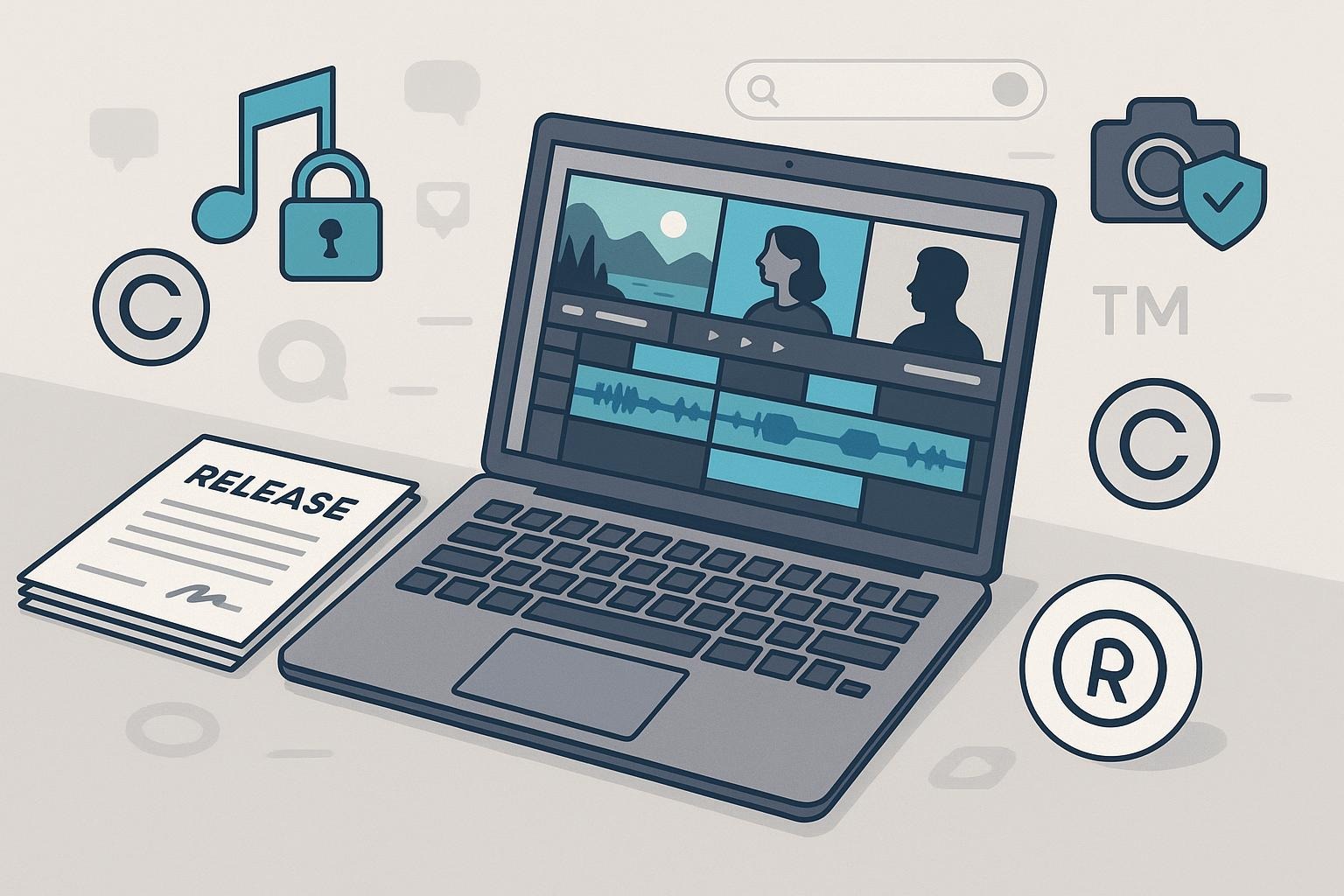
Introduction: Why UGC Needs More Than Just a Share Button
User-generated content (UGC) has become the heartbeat of modern marketing. From influencer testimonials to authentic customer reactions, brands thrive on content that feels real, spontaneous, and human.
But there’s a problem, most viral clips weren’t born with legal clarity. And when that emotional TikTok moment becomes your next campaign asset, video licensing UGC suddenly becomes more than a legal formality, it’s brand protection in action.
Imagine a global cosmetics brand turning a fan’s unboxing reel into an Instagram ad, or a SaaS company using customer testimonials in their landing videos. Without the right permissions, those wins can quickly turn into DMCA takedowns, blocked campaigns, or even legal claims.
Let’s break down how to stay creative and compliant, so your UGC-driven marketing is safe, scalable, and unstoppable.
Step 1: Understand What “Video Licensing UGC” Actually Means
Video licensing UGC is about securing explicit permission to use videos created by others—typically customers, influencers, or fans—for marketing or commercial purposes.
In other words, it’s your legal bridge between content that inspires and content you can actually use.
When you license influencer videos or reuse UGC in paid ads, you need to know:
Who owns the footage (creator, brand, or agency)
How it can be used (social, paid, broadcast, internal)
For how long and where (term and territory)
This type of agreement, known as rights-managed video content—defines your creative boundaries and protects your brand.
Example: A beverage company gets a viral TikTok of a customer mixing their drink. The team loves it and turns it into a YouTube pre-roll ad. Without a signed usage license from the creator, that ad could violate copyright or publicity rights.
Step 2: Why Permissioned UGC Usage is Non-Negotiable
It’s tempting to think “crediting the creator” is enough—but in legal terms, that’s rarely true.
Permissioned UGC usage ensures your brand respects both copyright and personal rights. This includes:
Copyright: Ownership of footage, music, and design elements
Right of publicity: Permission to use someone’s likeness or voice
Trademark: Avoiding unauthorized use of brand logos in videos
If you want to go deeper, see the U.S. Copyright Act Title 17 for ownership principles, and California Civil Code §3344 for publicity rights.
Example: A travel brand shares a tourist’s drone footage from a famous resort. The clip includes hotel signage, technically a trademark. With permissioned licensing, the brand can safely use the footage in global ad campaigns without disputes.
Step 3: Map Out a Rights-Managed Workflow (Before You Edit)
A repeatable rights-clearance process helps your marketing team stay compliant without slowing down production.
Here’s how top-performing teams do it:
✅ Before You Shoot or Source UGC
Confirm ownership for all contributors—creators, freelancers, agencies.
Get written permission for anyone recognizable in the footage.
Double-check music licenses (sync + master rights).
✅ Before You Edit
Audit all stock clips, fonts, and visuals for commercial use.
Use a UGC compliance tool or checklist to track license dates, territories, and formats.
Replace any “personal-use only” assets.
✅ Before You Publish
Add clear disclosures for sponsored content following FTC guidelines.
Keep copies of all model releases, contracts, and licenses.
Verify your content meets WCAG accessibility standards.
Example: A global fitness brand gathers dozens of UGC clips weekly. With a rights-managed workflow built into their creative pipeline, every approved clip already includes model consent, music clearance, and regional license terms, ready to go live instantly.
Step 4: Stay Ahead of Common Legal Pitfalls
Even experienced marketers can trip over hidden copyright or endorsement rules.
Let’s unpack the biggest ones:
“It’s Fair Use, Right?” Probably Not.
Marketing content rarely qualifies for fair use, especially if it’s promotional or monetized. Always license or replace content instead of relying on this defense.
Ignoring DMCA Rules
If a platform removes or mutes your content, you’re likely seeing a DMCA takedown. Keep proof of licenses, time-stamped correspondence, and original files for every asset.
Unclear Disclosure Practices
If influencers or customers are compensated, the FTC requires visible disclosures, “Ad,” “Sponsored,” or “Paid Partnership.” Brands remain responsible even if creators forget.
Music from In-App Libraries
Many apps’ built-in soundtracks aren’t licensed for commercial use. Always check usage terms, even platform-provided tracks can be restricted for ads.
Example: A fashion retailer used trending TikTok music in a campaign video, only to find out it wasn’t cleared for paid use. They had to pull the entire ad set, costing thousands in lost reach and editing time.
Step 5: UGC and AI: What’s New in 2025
As AI tools become part of everyday editing, new copyright questions emerge.
According to the U.S. Copyright Office AI Report (2025), only human-authored portions of AI-assisted works qualify for copyright protection.
So when you use AI editing platforms (like Nemovideo’s AI Video Editor), you should:
Document your human creative input (selection, voiceover, editing).
Exclude AI-only elements from copyright claims.
Keep your creative timeline transparent for audits or registrations.
Example: A global agency creates 20 ad versions using AI-assisted cuts. By logging each edit step and narrative input, they ensure copyright claims remain valid and traceable.
Step 6: Build a “Rights-Ready” Video Culture
The most efficient marketing teams bake rights management into their creative DNA.
That means everyone, producers, designers, and editors—understands legal video usage policies and follows a simple, unified workflow:
Centralize all video rights and releases in one folder or cloud tool
Standardize model and music license templates
Educate every new team member on copyright and disclosure basics
Example: A skincare brand’s marketing team uses Nemovideo to edit influencer videos. Every upload goes through a quick checklist: model release? cleared audio? paid ad disclosure? Once greenlit, it’s instantly repurposed for Instagram, YouTube, and TikTok ads, legally sound and on-brand.
Step 7: Take Creative Control, Without Legal Risk
You don’t need to be a lawyer to manage UGC responsibly. You just need the right habits and tools.
With Nemovideo’s AI Video Editor, you can:
Instantly edit and version videos for multiple platforms
Auto-generate localized captions and disclosures
Keep your campaigns legally aligned while focusing on creativity
Ready to make your influencer and UGC campaigns both powerful and compliant?
👉 Sign up for Nemovideo and turn licensed content into your next creative breakthrough.
Quick Reference Library
Bottom Line
Treat video licensing UGC as a creative enabler, not a barrier. The more intentional your licensing workflow, the freer your marketing becomes.
With clear rights, transparent permissions, and the right AI tools, you can confidently scale UGC-driven campaigns that inspire audiences, and stay fully compliant.