

How to Make a Viral Video in 2026: A Step-by-Step Guide
What Actually Makes Videos Go Viral
I used to think viral videos were pure luck. I'd spend a week perfecting every edit—color grading, transitions, sound design—only to watch it flop with 50 views. Meanwhile, a random Saturday morning clip would inexplicably hit 500K.
That confusion ended when I started reverse-engineering viral content.
YouTube Creator Academy confirms viewers decide in first 3 seconds whether to keep watching. Miss that window, and your brilliant ending never gets seen.
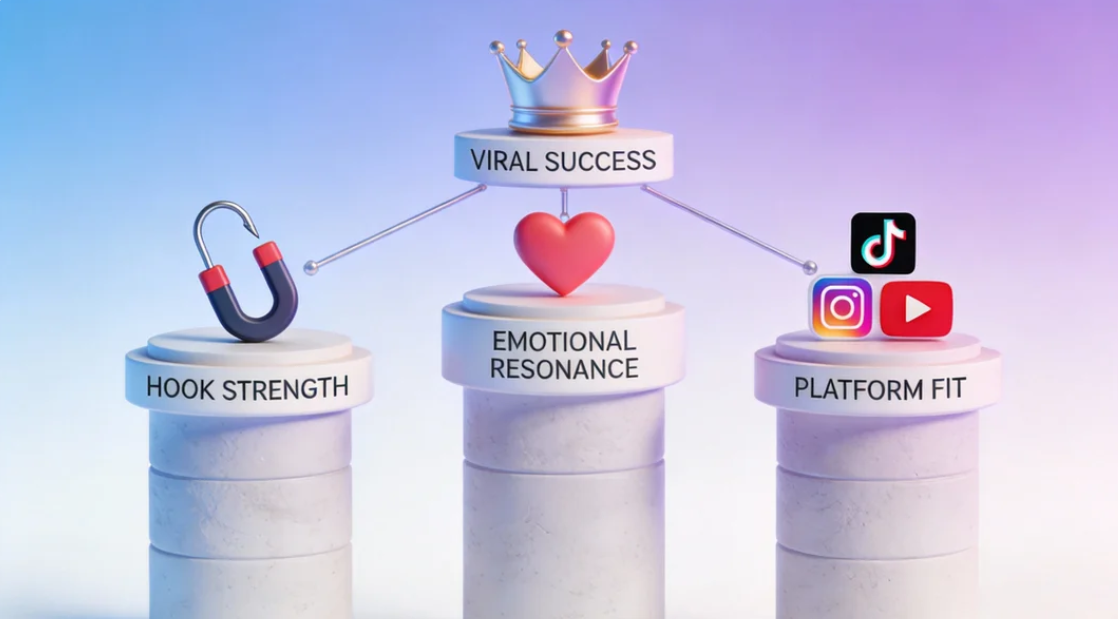
But the 3-second rule is just one piece. Real viral success requires three elements working together:
Hook Strength — Give viewers an instant reason to stay
Emotional Resonance — People share feelings, not information
Platform Fit— What works on TikTok dies on YouTube Shorts
The game changed. 2015: polished production won. 2020: completion rates mattered. 2025: authenticity wins. Over-produced content now underperforms raw, phone-shot UGC.
This shift taught me something crucial: instead of obsessing over technical perfection, focus on finding the right hook and structure. I now use tools like NemoVideo Inspiration Center to analyze what's actually working—it surfaces viral patterns from millions of videos, showing me which hooks and frameworks are trending right now. My efficiency jumped 3x just by starting with proven structures instead of guessing.
Step 1: Master the 3-Second Hook
I once spent a week on a product review video. Nailed every detail. Published it. Average watch time? 4 seconds.
That's when it hit me: my content never got a chance to shine because viewers never gave me one.
TikTok users scroll past 200-300 videos daily, making split-second decisions. You need to stop their thumb before it swipes.
5 High-Converting Hook Formulas
After analyzing thousands of viral videos through databases that track real-time performance, I've identified these patterns:
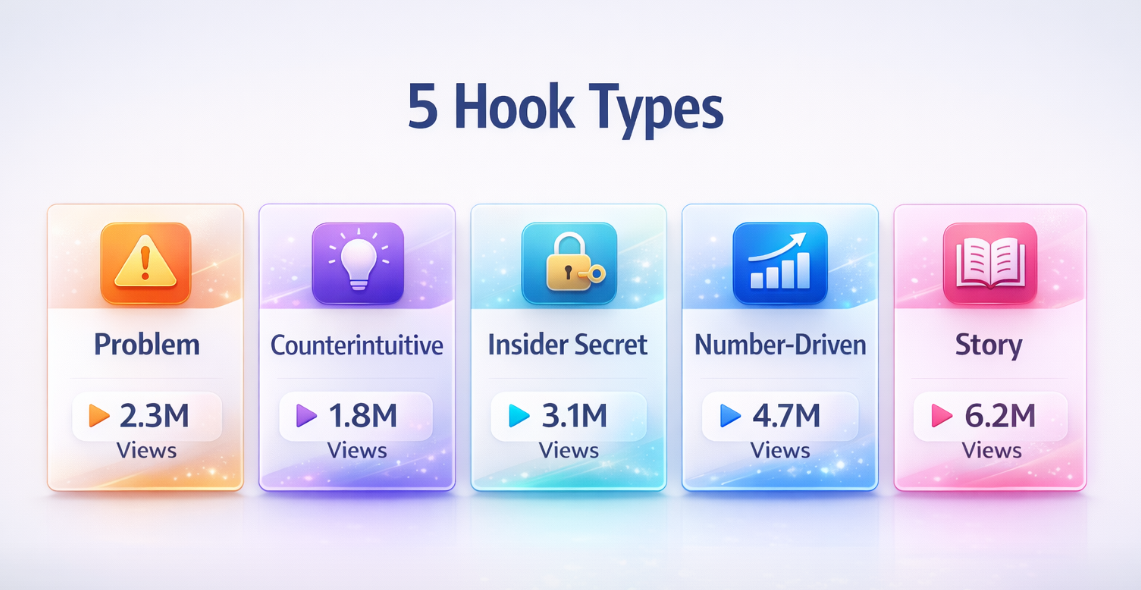
Problem Hook — Call out a pain point directly 💡 "POV: You spent 5 hours editing and got 47 views" (2.3M views on TikTok)
Counterintuitive Hook — Challenge common beliefs 💡 "I don't know how to edit, but my videos get 5M views. Here's how" (1.8M views on YouTube Shorts)
Insider Secret Hook — Hint at exclusive knowledge 💡 "Ex-TikTok employee reveals what the algorithm ACTUALLY wants" (3.1M views on Instagram Reels)
Number-Driven Hook — Use specific metrics for impact 💡 "I went from 200 to 2M views by changing ONE thing" (4.7M views on TikTok)
Story Hook — Open with dramatic narrative 💡 "3 months ago I got fired. Today I make $30K/month from content" (6.2M views on YouTube)
Not sure which hook fits your content? NemoVideo's Hook Center categorizes thousands of proven hooks by industry and platform—so you can find what's working in your niche right now.
Why Your First Frame Matters More Than Your Hook
Most creators think the hook is just the opening line. Wrong. A true hook combines: first-frame visuals + opening 3 seconds of audio + text overlay.
YouTuber Ali Abdaal ran a thumbnail experiment that proves this. By changing just the first frame to something more visually striking, his video jumped from 300K to 1.1M views.
Here's why: 85% of Facebook videos are watched on mute. If your first frame doesn't grab attention visually, viewers won't even unmute.
This is where smart editing tools like Nemo help. Features like automatic visual analysis can scan raw footage and identify the most attention-grabbing frames. What used to take me an hour of scrubbing through footage now takes seconds, freeing me to focus on storytelling.
Step 2: Create Share-Worthy Content
A friend makes gorgeous food videos—perfect lighting, composition, editing. But views stayed flat. Until one day she posted a "fail video": her cake collapsed, frosting everywhere, her laughing at the disaster.
That video hit 500K views—10x her usual performance.
The lesson? People don't share perfection. They share emotion.
The Emotional Triggers That Drive Shares
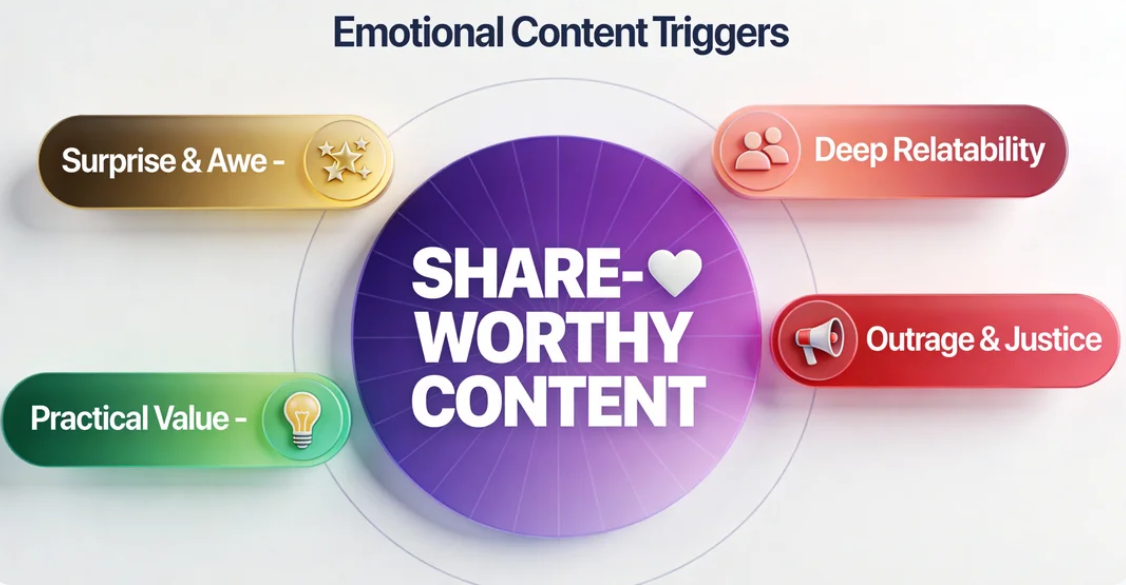
According to research from the Academy of Continuing Education, content that triggers high-arousal emotions—whether surprise, joy, anger, or anxiety—gets shared far more than neutral content.
Think about these moments:
Surprise & Awe — They expect failure, then boom—success. Like turning basic ingredients into Michelin-star dishes, or completing an "impossible" challenge.
Deep Relatability — "That's literally me!" Monday morning struggles, parental double standards, awkward elevator encounters with neighbors—these moments make people feel seen.
Practical Value — Something so useful they immediately save it. "5-second fix for a stuck zipper" or "3 clicks to master Excel formulas."
Outrage & Justice — Exposing unfairness triggers the urge to spread awareness. Powerful but use carefully.
Content Formats Crushing It in 2025
Based on Napolify's 2025 TikTok trend analysis, top creators use 30-60 second videos with strong 3-second hooks and captions (74% watch muted).
These formats are winning:
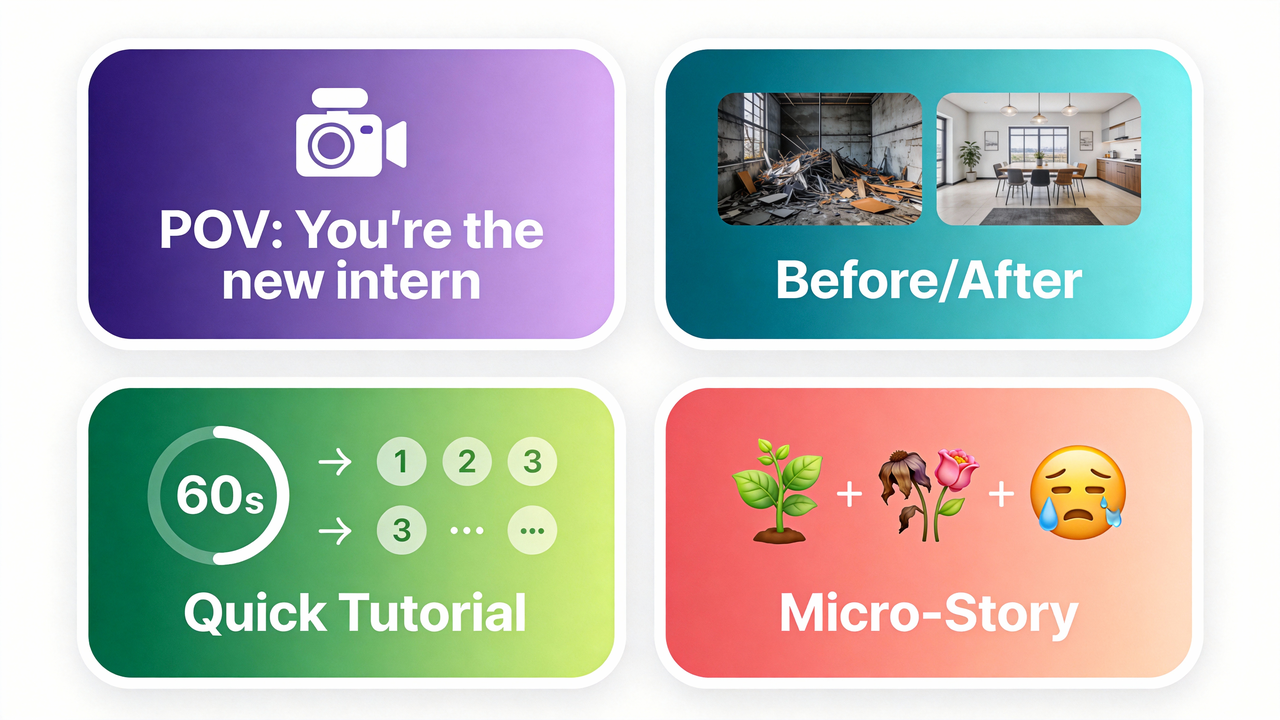
POV (Point of View) — Creates immersive experiences. "POV: You're the new intern on day one and the boss already yelled at you." Viewers feel like it's happening to them.
Before/After Transformations — Maximum visual impact. Messy room → pristine space. Beer belly → six-pack. The contrast must be dramatic.
Quick Tutorials (Under 60s) — According to Upskillist's short-form video analysis, 30-60 seconds hits the sweet spot—enough to explain something useful without losing attention.
Micro-Stories — "Bought a plant. It died. I cried." Three sentences. Complete emotional arc. Simple, authentic, shareable.
Step 3: Optimize for Each Platform
Remember my friend's cake fail video? She ran an experiment: posted the exact same video to TikTok, Instagram Reels, and YouTube Shorts.
Results? TikTok: 500K views. Reels: 80K. Shorts: 20K.
Same video. Same content. Same editing. Wildly different outcomes.
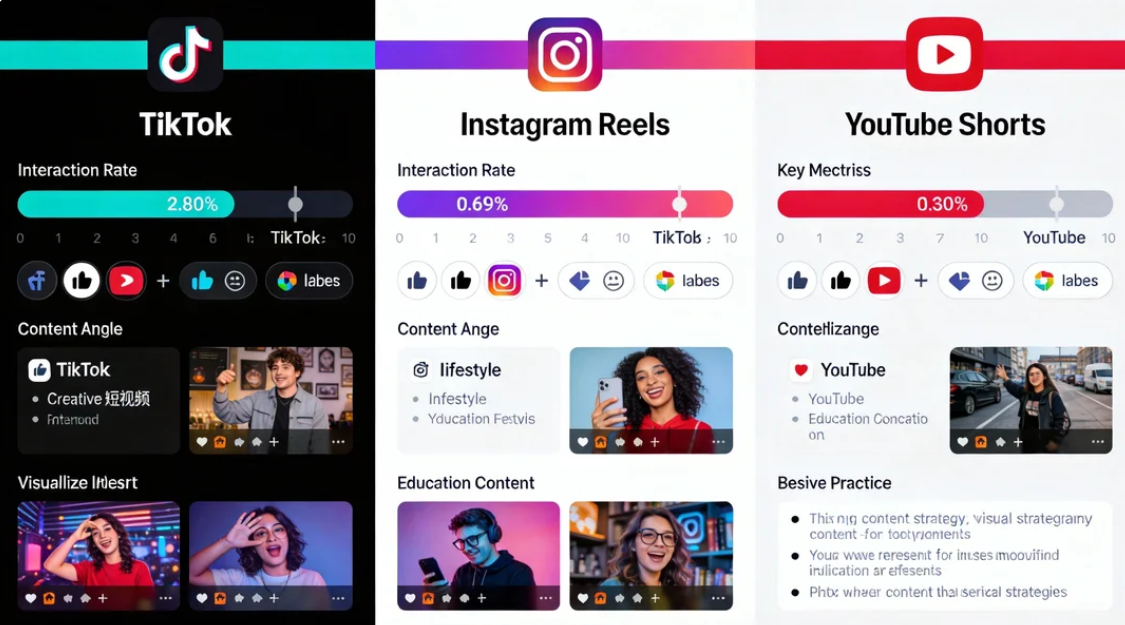
According to Socialinsider's 2024-2025 platform analysis, TikTok engagement hits 2.80%, Instagram Reels only 0.65%, and YouTube Shorts drops to 0.30%.
Each platform has different "content DNA." You can't just upload the same file everywhere and expect consistent results.
Platform | Algorithm Priority | Key Metrics | Content Preference | Critical Hook |
TikTok | Interest/Emotion | Completion rate, rewatches | Entertainment, emotion, relatability | 0.5-second visual impact + trending audio |
Instagram Reels | Aesthetics/Social | Saves, shares | Visual polish, aspirational lifestyle | First-frame beauty + brand cohesion |
YouTube Shorts | Intent/Search | CTR, search conversion | Educational value, problem-solving | SEO-optimized title + complete answer |
TikTok: The 0.5-Second Battlefield
TikTok's algorithm treats completion rate as the strongest signal—60%+ is good, 80%+ often goes viral.
But here's what most miss: TikTok is the only platform where 90%+ of users watch with sound ON. Audio matching matters enormously.
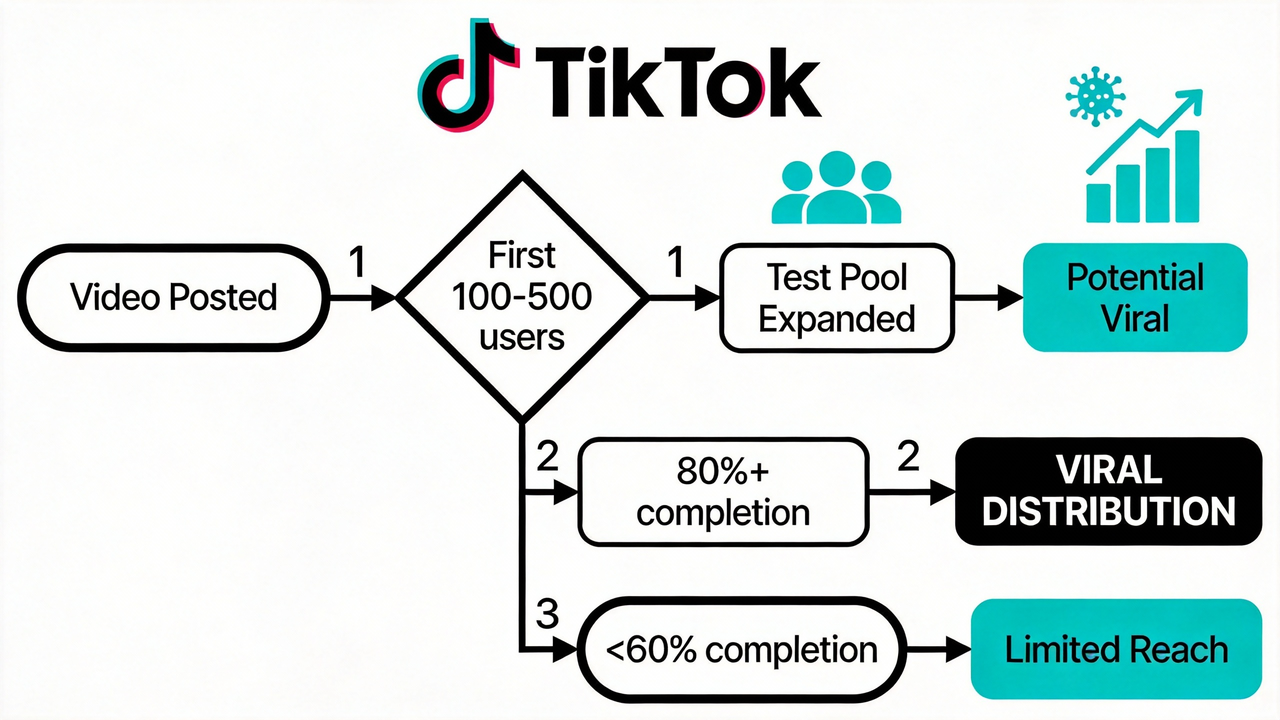
3 TikTok Success Tactics:
Visual Impact First Frame — Exaggerated expressions, unexpected moments, bold color contrast. Tools that auto-identify the most attention-grabbing frames save hours of manual scrubbing.
Trending Audio — TikTok evaluates audio, captions, and hashtags when deciding initial distribution. Trending sounds increase your test pool.
Rewatch Hooks — Place a twist or reveal at the 80% mark to trigger rewatches.
Remember: Total watch time matters more than completion rate. The sweet spot is 15-30 seconds.
Instagram Reels: The Aesthetic Playground
Reels prioritizes visually polished content and favors accounts with existing followers.
But Reels isn't just about "pretty"—it's about aspirational. Users want to see lives they dream of living.
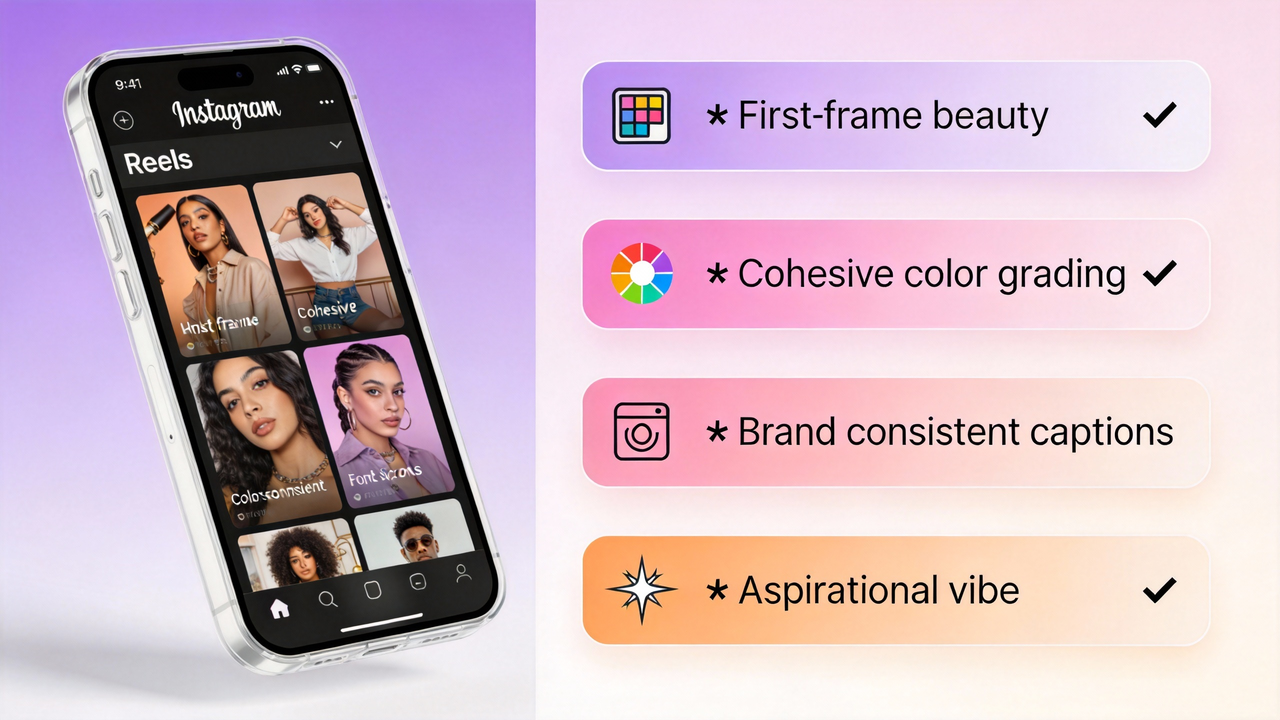
3 Reels Best Practices:
First-Frame Aesthetics — Cohesive color grading, clean composition, professional feel. If frame one isn't beautiful, they'll swipe.
Saves > Likes — Saves and shares carry more algorithmic weight. End with "Save this for later" to boost performance.
Captions as Design — Text isn't just information; it's a visual element. Brand-consistent fonts and colors matter.
YouTube Shorts: The SEO Long Game
YouTube is the world's second-largest search engine. Shorts can gain views months after posting—perfect for evergreen educational content.
But Shorts' real value? Bridge content. It's how viewers discover your channel and long-form videos.
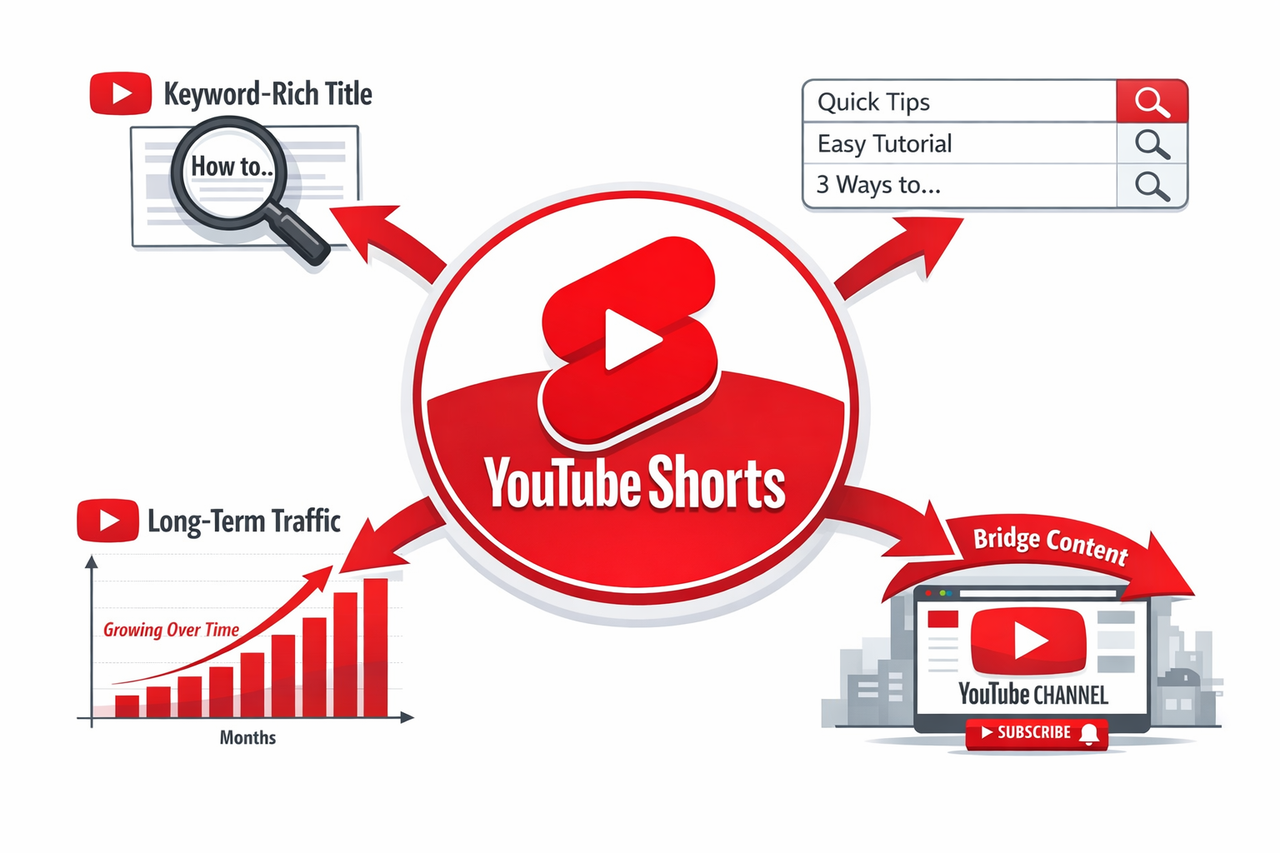
3 Shorts Strategies:
Keyword-Optimized Titles — Use "How to...", "3 Ways to...", "Quick Fix for..." Research what your audience actually searches.
Deliver Complete Value — Unlike TikTok's fragmented style, Shorts viewers expect a full answer in 60-90 seconds. Build trust by actually solving the problem.
Channel Funnel — Always end with: "Full tutorial on my channel." Convert instant traffic into subscribers.
One Video, Three Platform-Optimized Versions
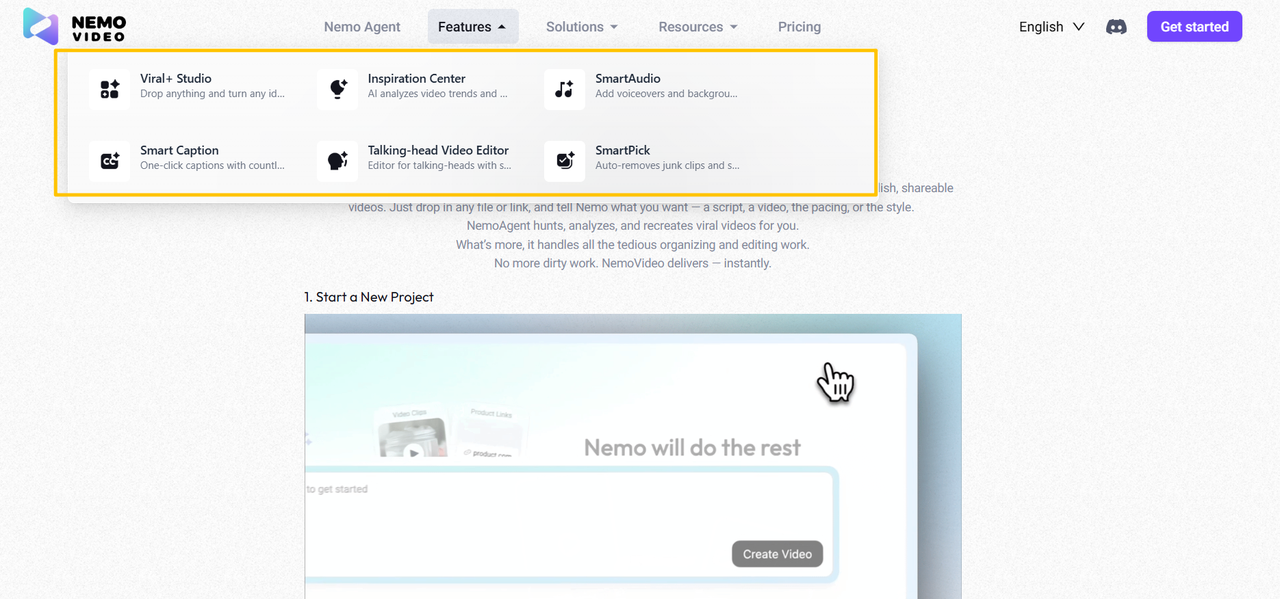
Understanding these differences is one thing—optimizing for each is another. When I need to adapt a single video for all three platforms, I use NemoVideo tool that:
Auto-identify the strongest opening frame for each platform's style
Adapt aspect ratios and pacing
Generate search-friendly titles (for Shorts)
Suggest trending audio (for TikTok)
What took hours now takes minutes. That saved time goes into better storytelling.
Start Creating Smarter, Not Harder
If you've read this far, you now understand viral video mechanics:
✅ The 3-Second Hook — Use proven formulas to grab attention ✅ Share-Worthy Content — Trigger emotions that make people hit "send" ✅ Platform Optimization — TikTok wants emotion, Reels wants aspiration, Shorts wants value
But knowing isn't the same as doing.
I've watched too many creators burn out fighting the tedious parts—endless footage scrubbing, repetitive resizing, manual caption placement. That's exactly where smart tools earn their keep.
Not to avoid the work, but to reclaim time for what actually matters: creativity.
Viral videos aren't luck. They're a repeatable system. Try applying this framework to your next video with NemoVideo and see what happens when strategy meets execution.
Your next viral video starts right now.